
Overview
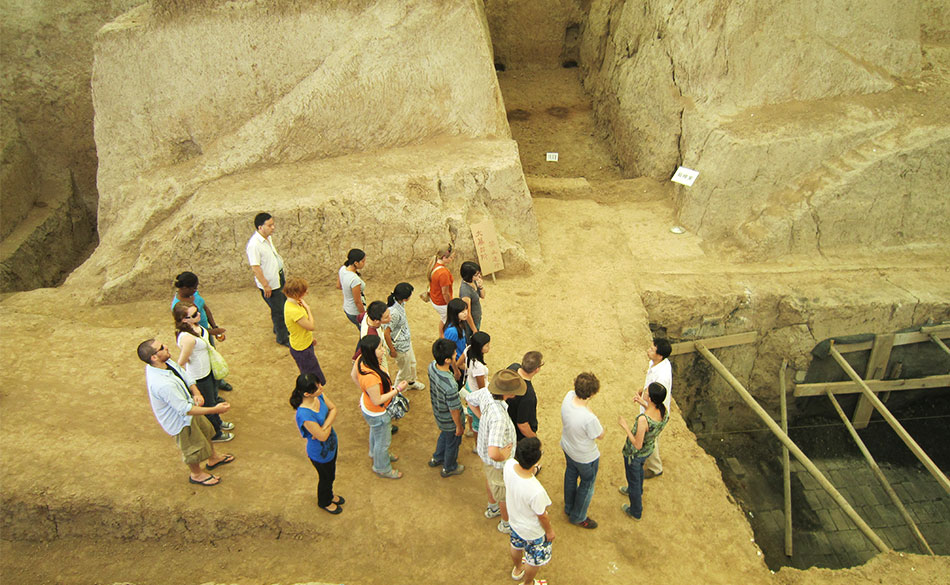
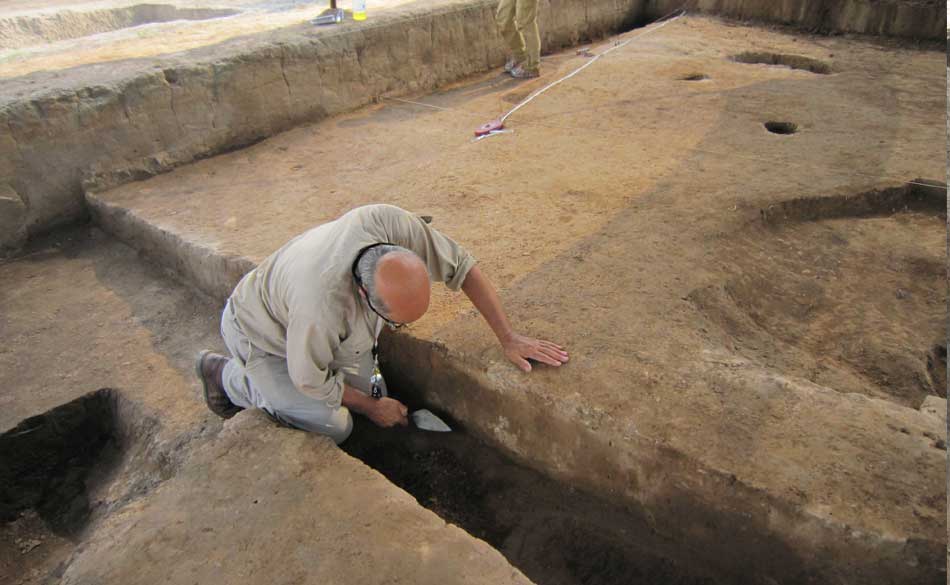
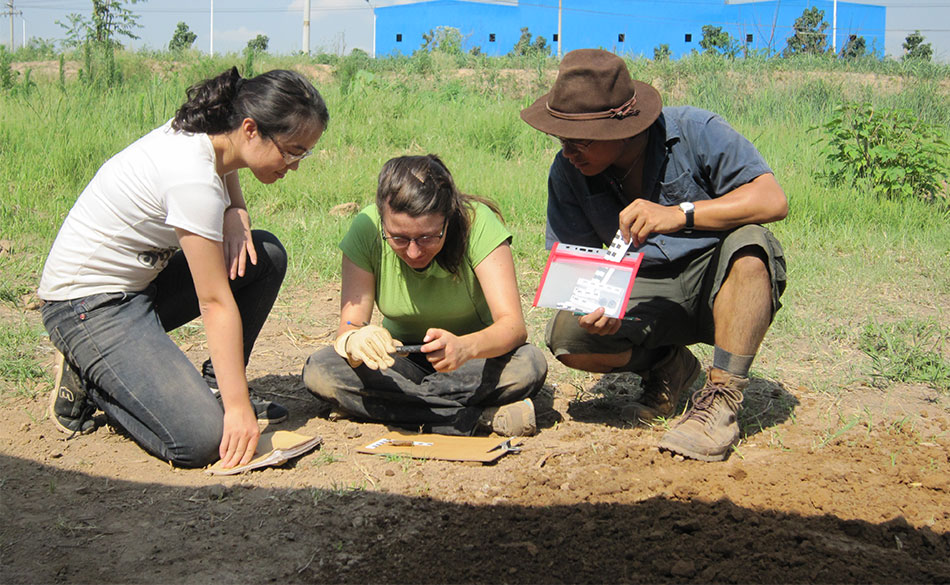
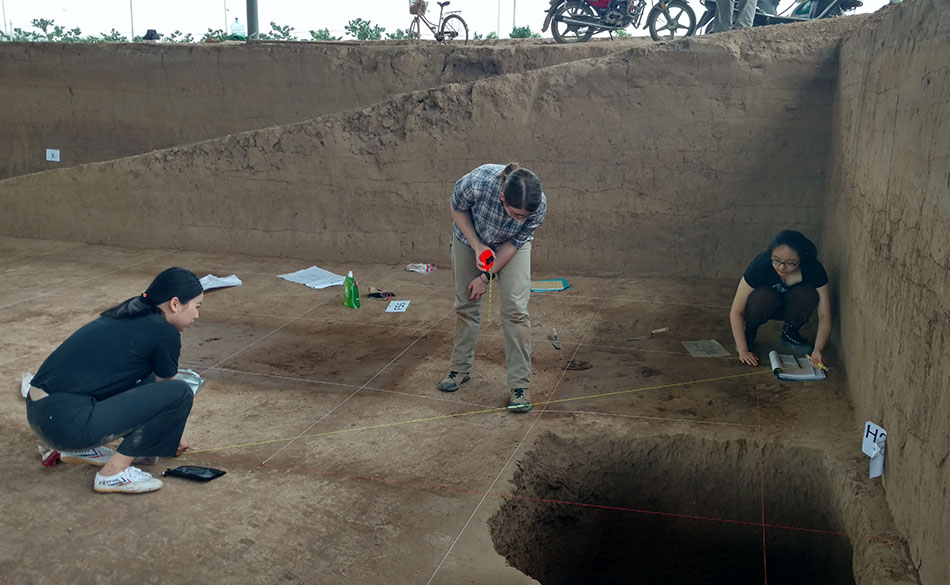
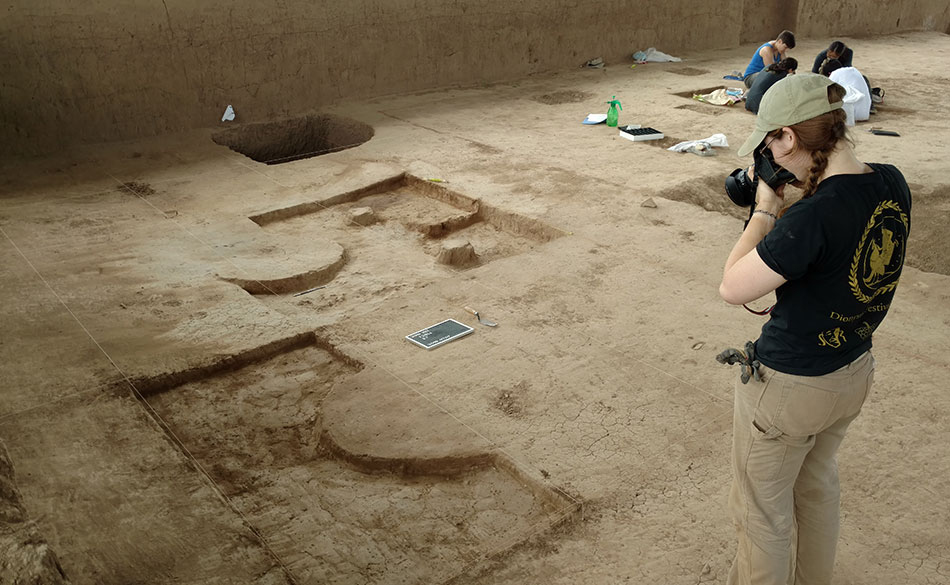
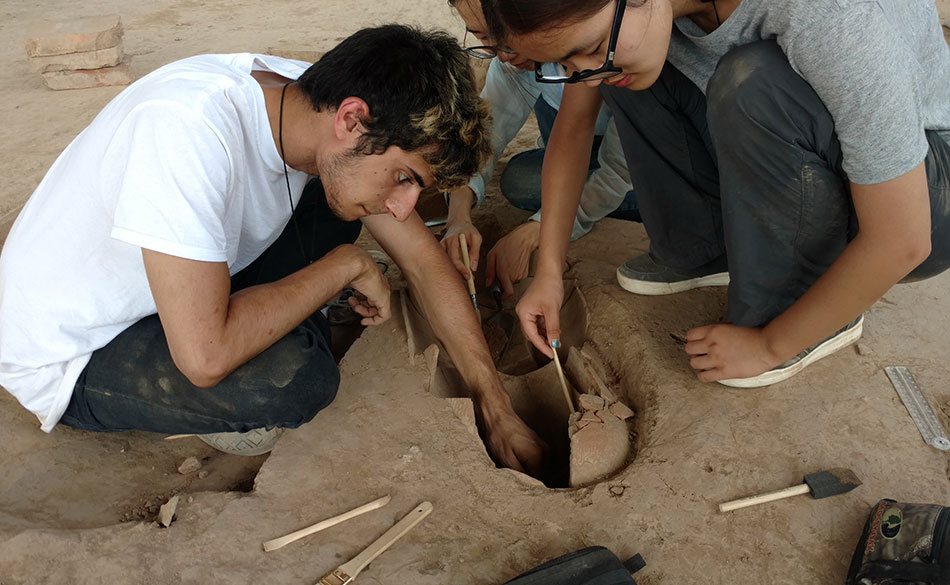
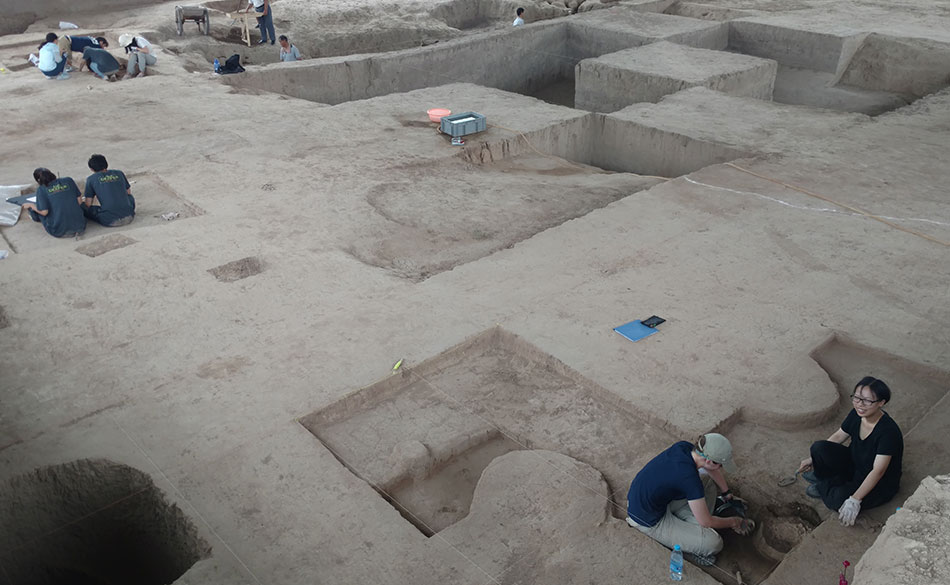
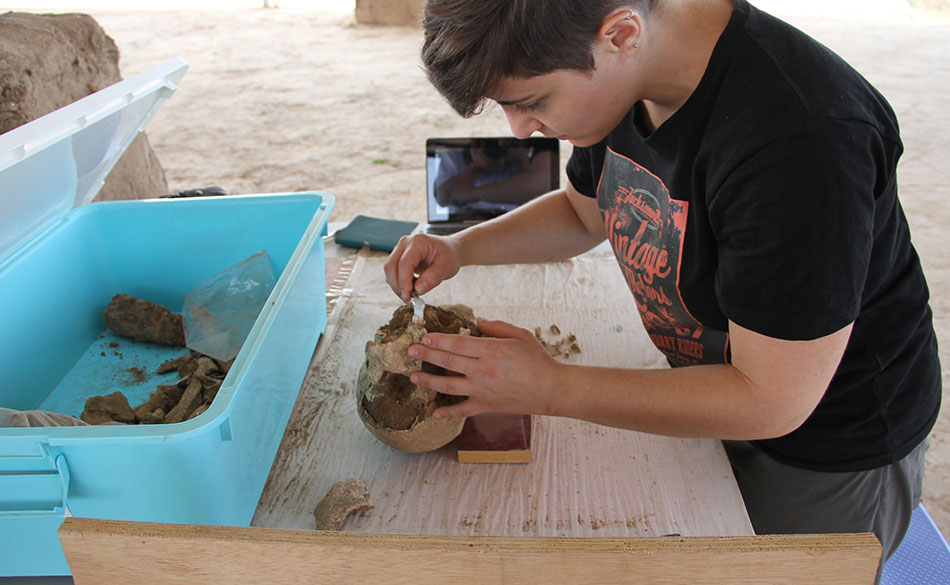
Unearth the mysteries of ancient China as you immerse yourself in the ongoing excavation and research efforts at Yangguanzhai, one of China’s largest prehistoric villages. Nestled in the scenic Jing River Valley just 25 kilometers north of Xi’an, this site dates back to the Middle to Late Yangshao period, offering a glimpse into a vibrant farming community that thrived from 3200 to 3000 BCE. Excavation efforts have thus far revealed a wealth of findings, from cave dwellings, a moat, and subterranean houses to child urn-burials and extensive pottery kilns. Join us in digging deeper into the evolving landscape of Neolithic life through an interdisciplinary exploration of this archaeological gem.
Field school highlights:
- Uncover insights into daily life and behavior change at different stages of Yangguanzhai history.
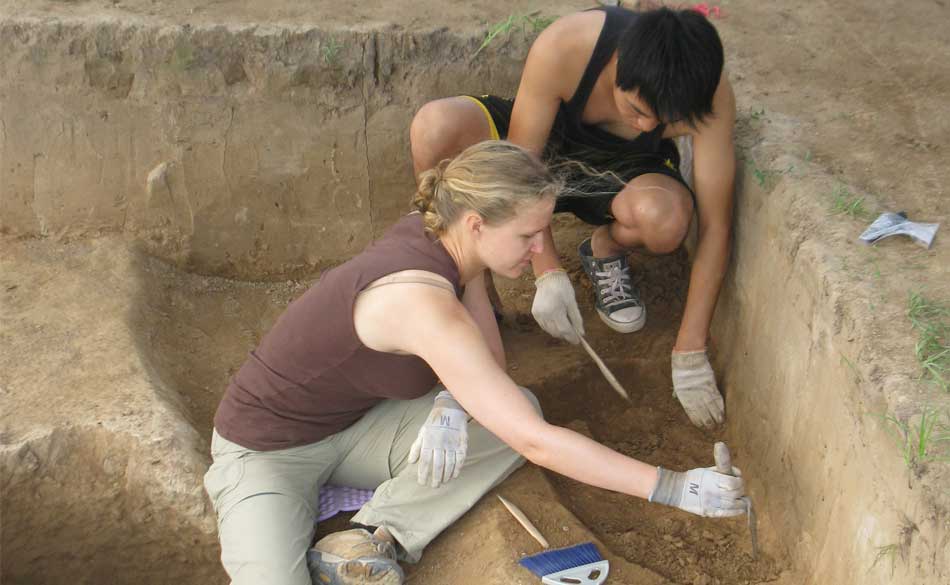
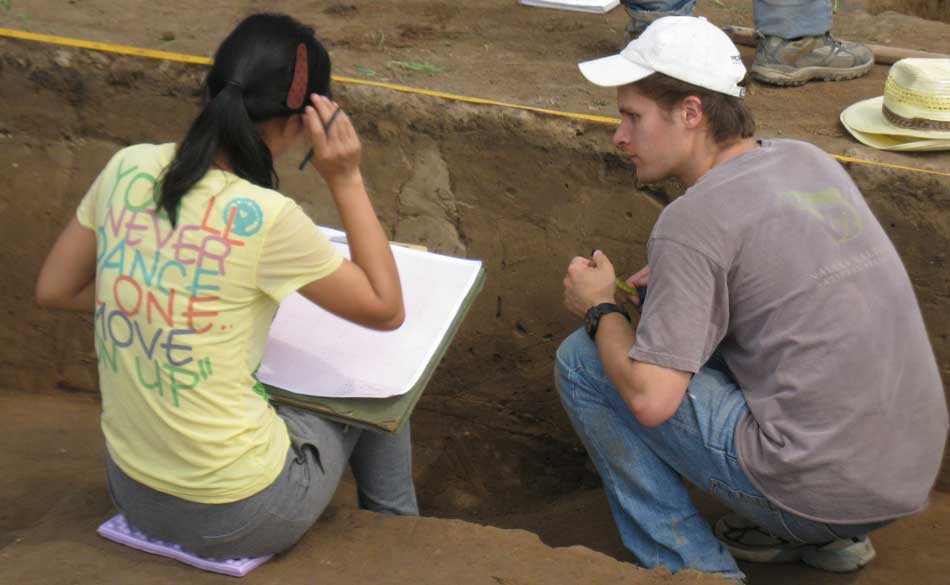
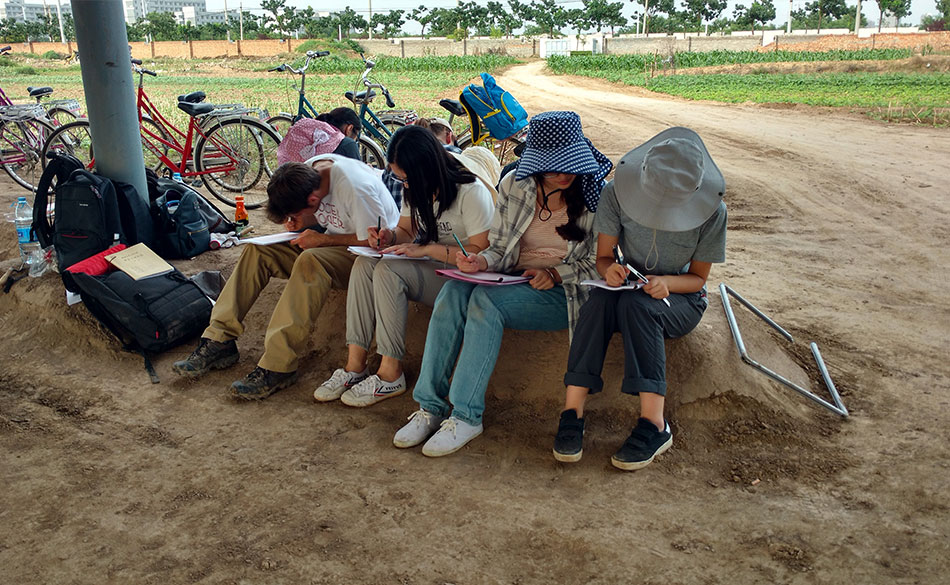
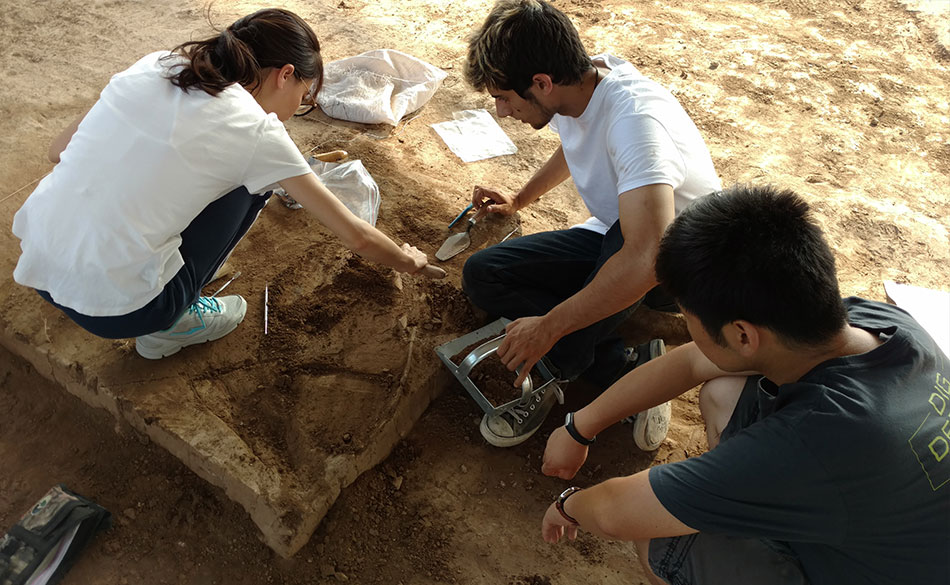
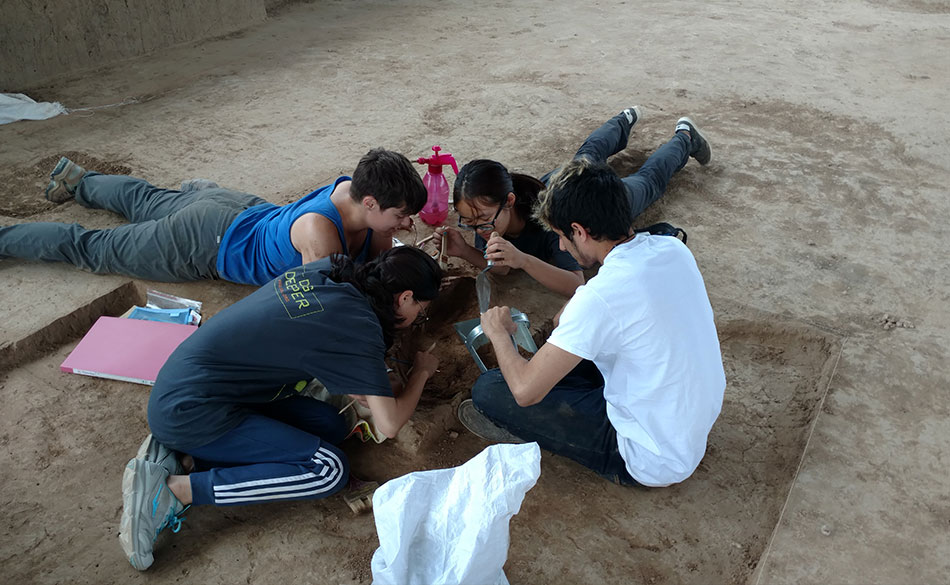
- Engage in hands-on training in excavation, paleoethnobotanical, zooarchaeological, geochemical methods and more from experts in the field.
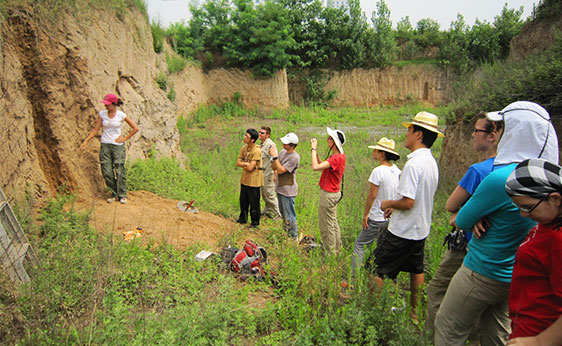
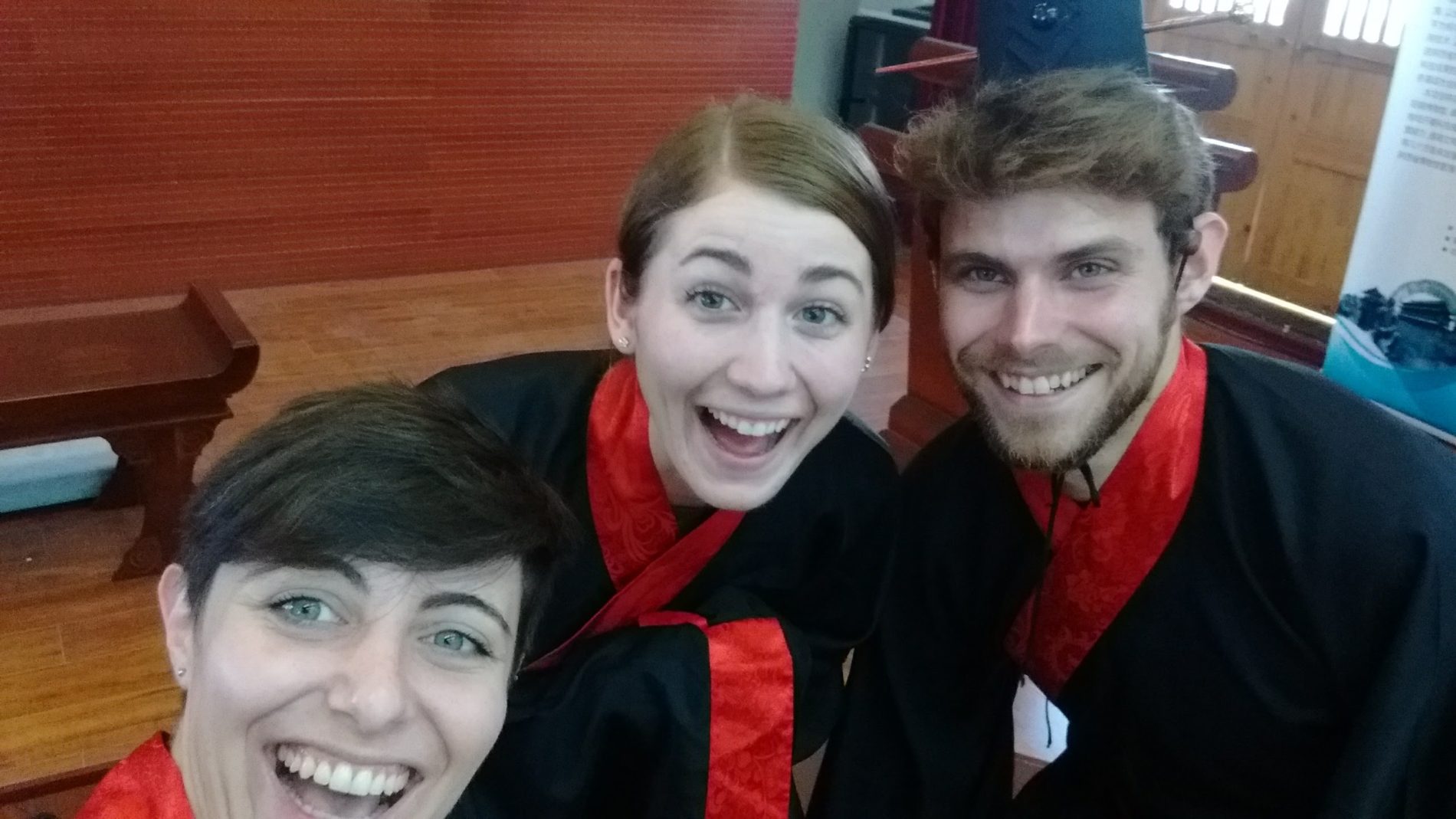
- Enrich your experience & understanding of Chinese archaeology through lectures, museum visits, and daily interactions with local students.
| Course Details | |
|---|---|
| Course Dates | June 14 – July 20, 2026 |
| Course Type | Prehistoric archaeology, Zooarchaeology, Field work |
| Instructors | Dr. Yang Liping, Li Jinbo, Xuan Yi, Yupeng Yin, Jiangliu Shi, Chen Deng |
| Credits* | 8 semester (12 quarter) |
| Apply By | April 1 |
| Fees Due By | April 15 |
| Program Fees | (2026) |
|---|---|
| Tuition | $4,775 |
| Transcript Fee* | $350 |
| Health & Evacuation Insurance | $170 |
| Room & Board | $995 |
| TOTAL: | $6,290 |
Summer 26 applications are now closed.
Check back in late September for Summer 27 applications.
Instructors
The directors welcome emails and inquiries about the research elements of this project. More general information (tuition, health insurance, and payment schedule) can be found under the ‘Students’ tab above. Any further questions may be addressed to IFR staff. Additional details about research, course schedule, travel, accommodation, and safety can be found on the syllabus. Contacting the directors or the IFR office is encouraged and appreciated. It may help you determine if this field school is a good fit for you.


Testimonials
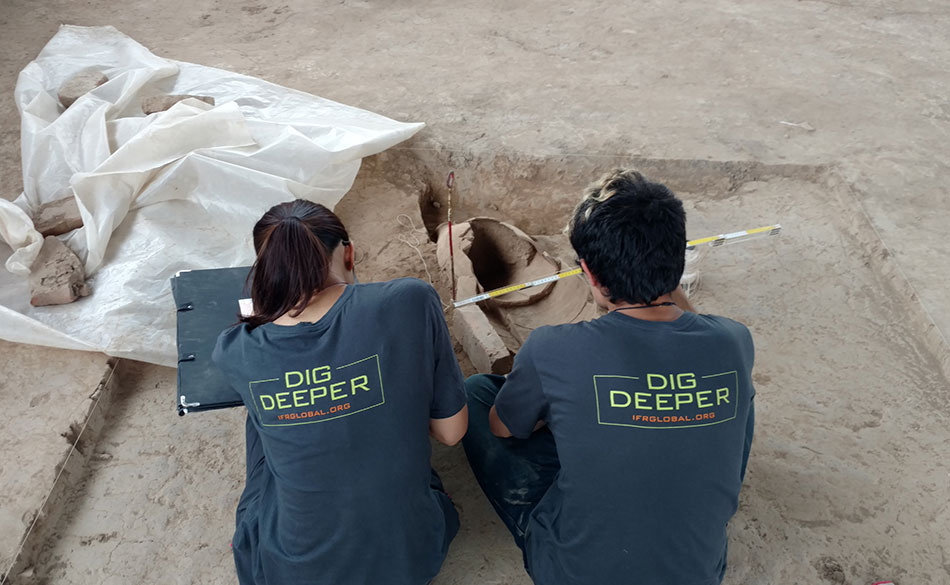
YGZ gave me the opportunity to see where archaeological data comes from, and to participate in the process of critical-thinking that leads to discovering our shared history. In addition to giving lectures, our instructors patiently taught us proper field techniques, from taking elevations every day to making technical drawings of features. The field school helped me understand that, beyond its excitement and adventure, archaeology really is a slow, methodical process of exploration. And it’s fascinating! I loved how YGZ brought the Neolithic Era to life.
The program also taught me the importance of using a clear and consistent scientific method. We were told to always describe before we interpret. Although this rule may seem obvious, I don’t think I fully understood the importance of this concept before YGZ, when a hasty interpretation could have serious consequences to future research.
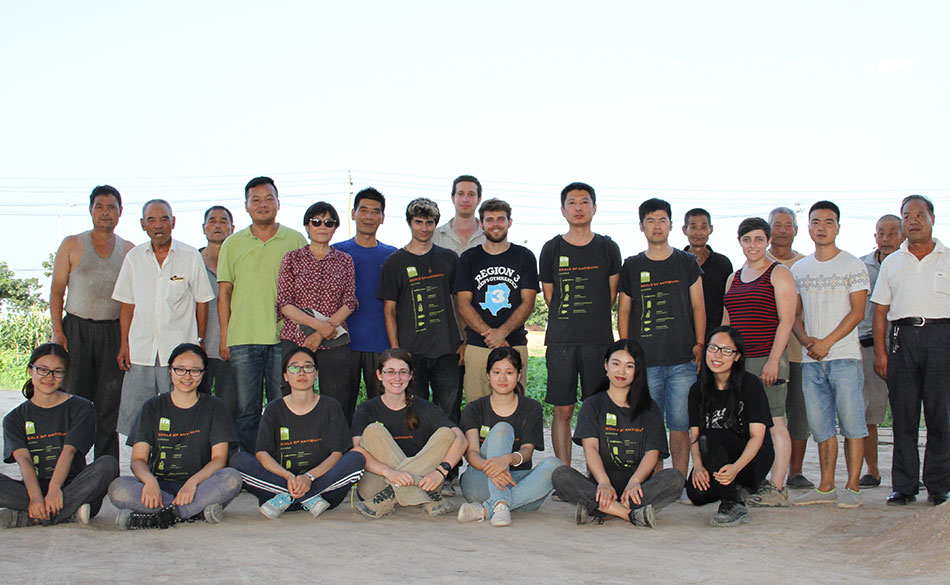
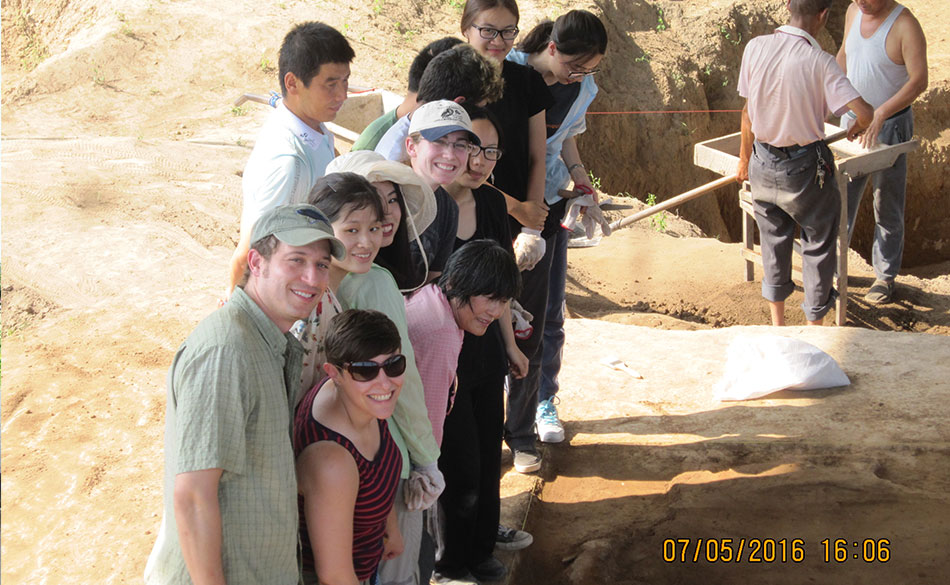
As a student of the Chinese language, the field school also presented a great opportunity for cultural immersion and language practice. I loved working with a team of international students and professors–it really showed me how archaeologists collaborate across international borders.
YGZ has been indispensable to me when considering a career in archaeology and cultural heritage. It exposed me to the variety of disciplines within archaeology, especially geoarchaeology, ceramics, paleoethnobotany, and bioarchaeology. Now that I’m in my third year of undergraduate study, I’m seriously considering post-graduate options (such as graduate school or work in cultural resources management). My experiences in YGZ have helped a great deal in discerning what I may do in the future.
The Yangguanzhai field school was a fantastic learning opportunity for my academic and professional goals in archaeology as well as a personally enlightening experience. We got to work with archaeologists trained in Western excavation techniques, which will be immensely helpful in the pursuit of advanced degrees as well as jobs. At the same time we were allowed to work alongside Chinese archaeologists who are trained in uniquely Chinese techniques, allowing for a broadening of our ideas about the variety of ways that archaeology can be conducted and the variation across cultures and nations. These various techniques included everything from survey and excavation to lab methods, such as flotation and the cataloguing of pottery sherds.
The instructors at this field school were also hugely helpful. They were always open and willing to answer our many questions about archaeology, graduate school, and job opportunities. They organized many different trips to museums and lectures to make sure we understood, as much as possible in such a short period of time, the historical context and culture of China at large and the site at Yangguanzhai. This field school was one of the best experiences of my life. It affected me profoundly as a person and allowed me to gain a deeper understanding and appreciation for archaeology.
Payment & Student Fees
Application Fee: There is a $45 fee to submit an online application.
Deposit Payment: A nonrefundable $500 deposit is due within 3 weeks of program acceptance in order to secure your place. The remainder of your program fees are due by the deadline indicated under “Course Details”.
*Transcript Fee & Academic Credit Opt Out: If you wish to participate in an IFR field school without earning academic credits, you will not be charged a transcript fee.
For more information about payment, fees, and policies, please see details under our Payment & Finances and Withdrawal and Cancellation Policy pages.
Accommodations
During the first week of the field school, students will live in a student dormitory at Xibei University in the city of Xi’an. While in the field, students will reside at the Wufulinmen Hotel near the site.
Food is provided Monday to Saturday (breakfast, lunch, and dinner). Students are responsible for their own meals on Sundays. While students are free to obtain their own breakfast and lunch with a daily allowance we provide, all dinners are taken together, since we will use this opportunity to get the whole team together and catch up on the progress of the day. The daily diet in North China is heavily based on rice, noodles, and vegetables. Specialized diets (vegan, kosher, etc.) are difficult to maintain in this location. Vegetarians may find options somewhat limited and should be prepared to be flexible when eating the local food, or should bring supplemental food (e.g. protein bars) if they think it will be necessary.
Travel Info
Natural disasters, political changes, weather conditions and various other factors may force the cancellation or alteration of a field school. IFR recommends students only purchase airline tickets that are fully refundable and consider travel insurance in case a program or travel plans must change for any reason.
General information for this program is below, but keep in mind we will discuss any updated travel information and regulations during the required program orientation, which could affect travel plans.
You can choose to meet with the program at the airport, train station, or directly at the accommodations on the program start date, between 11 am and 2pm. Consider travel time, transfers, and time difference when booking travel to assure your arrival date and time.
> For flights, fly into Xi’an-Xianyang international airport (XIY). You may wish to fly to a major airport in China like Hong Kong, Shanghai, or Beijing, and then book a domestic flight to Xi’an.
>For trains, arrive at the X’ian train station, but be aware that train tickets often sell out in summer and should be purchased well in advance through a website such as English.Ctrip.com or through a local travel agent. From Beijing to Xi’an, high speed trains leave every 1 to 2 hours throughout the day. If you are unable to purchase the ticket you desire, you can always take a slower train.
If you miss the meeting time, you can take the public transportation or a taxi to the accommodations.
More information will be provided to all enrolled students in the pre-departure online orientation, or on the Program Information linked above.
VISA REQUIREMENTS
Non-Chinese participants are required to secure a visa to China prior to arrival. You should plan to apply for your visa in April-May, based on guidance from IFR and your program.
Please see the Program Information for detailed instructions for the visa application.